Make a DIY blood model for kids using Cheerios, marshmallows, beads, and colored water. Explore red blood cells, white blood cells, platelets, and plasma!
Have you ever wondered what makes up a single drop of blood? During our Montessori-inspired human body unit study, Adrian became curious about blood after getting a scab. He asked, “What is blood made of?” This simple question inspired a hands-on science activity that made learning about blood much more meaningful. Instead of simply reading about the different components, we created a DIY blood model using everyday household materials. Through this activity, children can explore red blood cells, white blood cells, platelets, and plasma while discovering how each part helps keep our bodies healthy. This simple question inspired a hands-on science activity that made learning about blood much more meaningful. Instead of simply reading about the different components, we created a DIY blood model using everyday household materials. Through this activity, children can explore red blood cells, white blood cells, platelets, and plasma while discovering how each part helps keep our bodies healthy. This easy human body science experiment offers a wonderful introduction to anatomy for preschoolers and kindergarteners. It also encourages curiosity, observation, and meaningful conversations about how our bodies work.

What Is Blood Made Of?
Blood is a liquid connective tissue that travels throughout the body. It contains four main components: plasma, red blood cells, white blood cells, and platelets.
Each component has a special job. Together, they transport oxygen and nutrients, protect the body from infection, and help stop bleeding when we get a cut.
For this Montessori-inspired blood activity, we will use simple materials to represent each component and create a colorful model of blood.
DIY Blood Model for Kids ~ Materials & Supplies Needed:
You will need a few inexpensive household supplies:
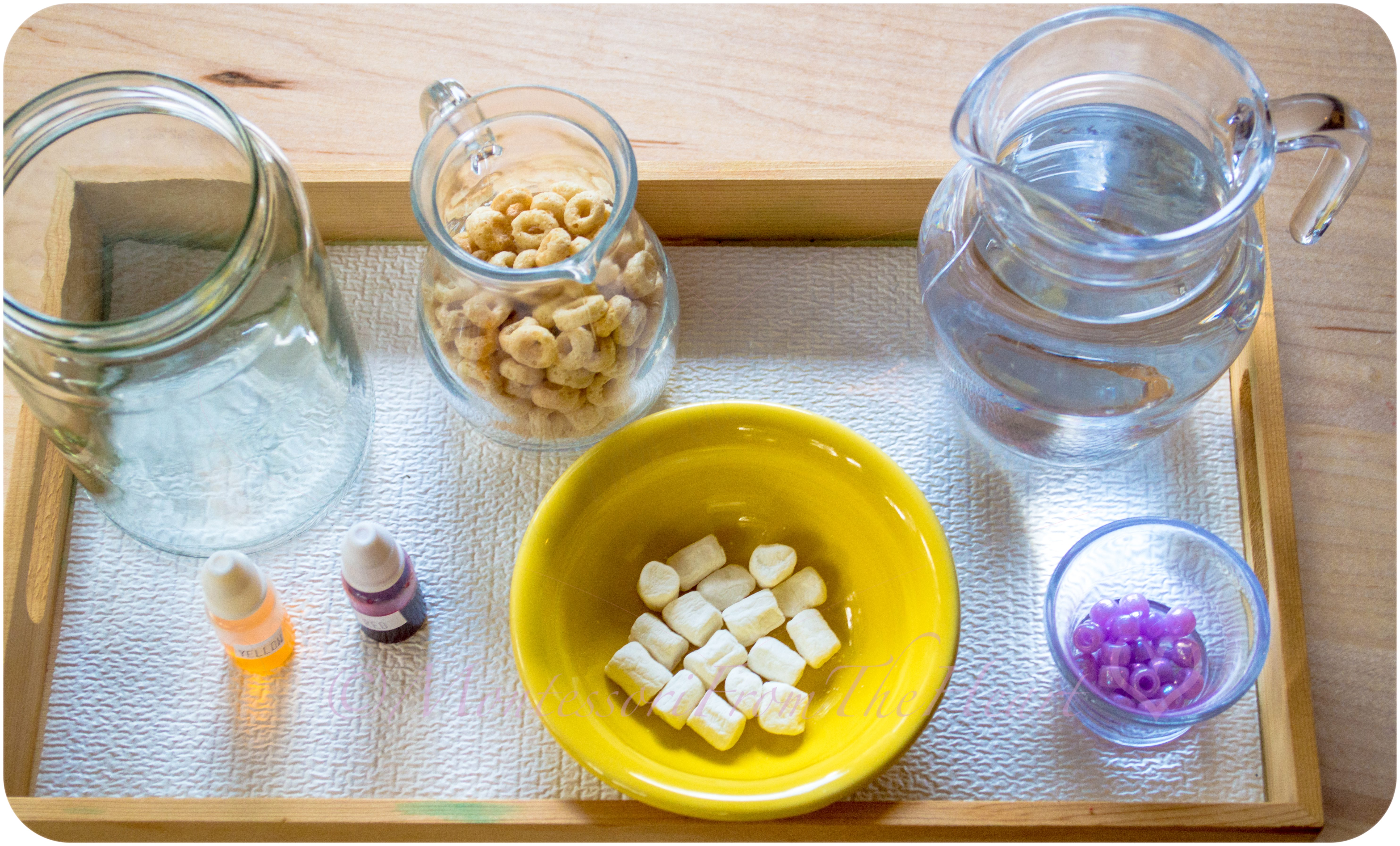
- Red food coloring and Cheerios to represent red blood cells.
- Mini white marshmallows to represent white blood cells.
- Small purple beads to represent platelets.
- Water and yellow food coloring to represent plasma.
- A clear container or glass bowl.
- A spoon for mixing.
- Small bowls for preparing the individual components.
Safety note: This activity involves small objects and food materials. Supervise children closely, especially those under 3 years old. Keep beads away from young children because they pose a choking hazard. Do not allow children to drink or eat the science mixture.

How to Make a DIY Blood Model:
Step 1: Create the Plasma
Begin by pouring water into a clear container. Add a few drops of yellow food coloring and stir.
Explain that the yellow liquid represents plasma, the liquid portion of blood. Plasma makes up a little more than half of our blood volume. It carries blood cells, nutrients, hormones, proteins, and waste products throughout the body.

Step 2: Make the Red Blood Cells
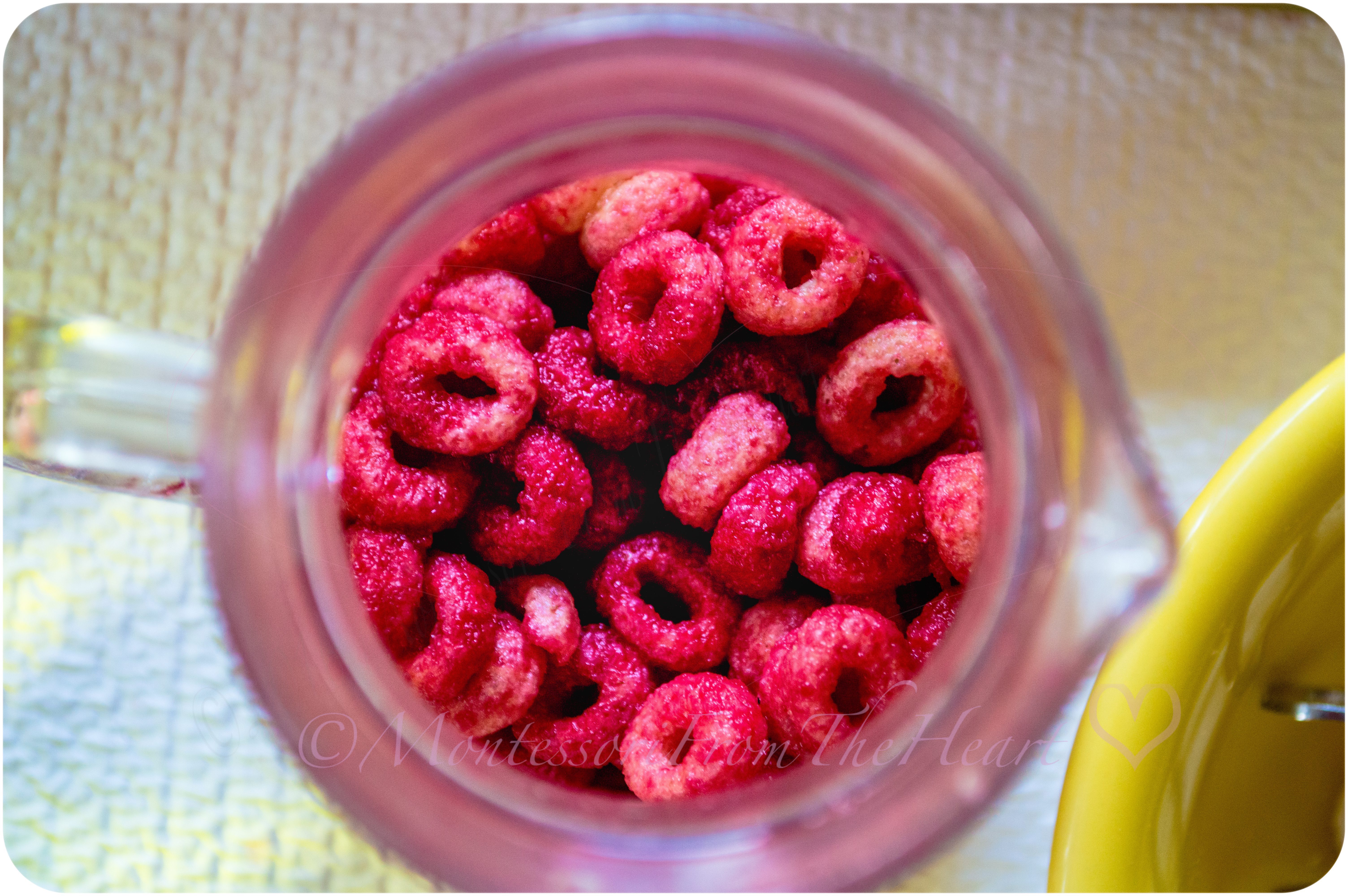
Place several Cheerios into a small bowl. Add a few drops of red food coloring and gently mix until the cereal takes on a reddish color. These will represent red blood cells. Red blood cells contain hemoglobin, a protein that carries oxygen from the lungs to the rest of the body. They also help transport some carbon dioxide back to the lungs. Explain to your child that oxygen helps our bodies produce the energy needed to move, play, think, and grow.

Step 3: Prepare the White Blood Cells
Set aside a few mini white marshmallows to represent white blood cells. White blood cells are part of the immune system. They help the body recognize and fight infections caused by harmful germs. You can explain their role by calling them the body’s defenders or protective team. Unlike red blood cells, white blood cells come in different types, and each performs a specific role in immune defense.
Step 4: Add the Platelets
Place a few small purple beads into a separate bowl. These beads represent platelets, tiny cell fragments that help stop bleeding. When we get a cut, platelets gather at the injured area and work with proteins in the blood to form a clot. This helps seal the wound and allows healing to begin. You can connect this explanation to your child’s experience with a scraped knee or a small cut.

Step 5: Combine the Blood Components
Now comes the exciting part! Invite your child to add the red Cheerios, white marshmallows, and purple beads to the yellow plasma.
Gently stir the mixture and observe how the different components come together.
As your child explores the model, encourage observation and conversation.
Ask questions such as:
- Which component do you see the most?
- What do you notice about the different shapes and colors?
- Which part helps carry oxygen?
- What happens when we get a cut?
- Why do you think our blood needs different components?
There are no complicated answers to memorize. The goal is to help children connect what they see with how their bodies work.

What Does Each Part of Blood Do?
Use this simple reference to explain the four main components of blood.
Red Blood Cells: Oxygen Carriers
Red blood cells transport oxygen from the lungs to the body’s tissues. They also help carry carbon dioxide back to the lungs. Child-friendly explanation: “Red blood cells are like little delivery trucks. They bring oxygen to the parts of our body that need it.”
White Blood Cells: The Body’s Defenders
White blood cells help protect us from infections. They recognize and respond to harmful germs and support our immune system. Child-friendly explanation: “White blood cells help our body fight germs and keep us healthy.”
Platelets: The Helpers That Stop Bleeding
Platelets help form blood clots when a blood vessel becomes damaged. This helps stop bleeding and supports the healing process. Child-friendly explanation: “When we get a cut, platelets gather together to help make a little patch.”
Plasma: The Liquid Transport System
Plasma is the yellowish liquid portion of blood. It carries blood cells and transports nutrients, hormones, proteins, and waste products throughout the body. It also helps regulate body temperature. Child-friendly explanation: “Plasma is like a river that carries all the different parts of blood around our body.”
Why Is Blood Important?
Blood performs several essential jobs every day, even when we are sleeping. It delivers oxygen and nutrients to our cells, carries waste products away, helps fight infections, and supports healing when we get injured. Blood also helps regulate our body temperature. When we become too warm, blood flow near the skin can increase to help release heat. When we are cold, the body can reduce blood flow near the skin to conserve warmth. This makes blood one of the body’s most important transportation and protection systems.
What Children Learn From This Human Body Science Activity:
Although this DIY blood model looks like a simple sensory experiment, it introduces several important concepts through hands-on exploration.
Science and early biology: Children learn that blood contains different components and that each has a specific function. They begin to understand that the human body is made up of interconnected systems.
Observation and critical thinking: By examining the mixture, children practice noticing differences, comparing materials, and asking questions. These are foundational scientific thinking skills.
Fine motor development: Adding food coloring, pouring water, placing objects into containers, and stirring provide opportunities to practice hand control and coordination.
Language development: Introducing words such as plasma, platelets, oxygen, and red blood cells expands vocabulary. Children also practice explaining what they observe.
Curiosity and scientific inquiry: Rather than simply receiving information, children investigate a question through direct experience. This supports the Montessori principle of learning through concrete materials and purposeful exploration.

How to Extend the Blood Science Activity:
If your child shows an interest in the human body, this activity can become the starting point for a broader anatomy unit study.
Read a Human Body Encyclopedia
We used First Human Body Encyclopedia as a reference during our study. The book introduces the inner workings of the human body through colorful illustrations, photographs, and age-accessible explanations. You can use the illustrations to help your child understand where blood travels and how the heart, lungs, and blood vessels work together.
Explore the Heart and Circulatory System
After learning about blood, introduce the heart as the muscular organ that pumps blood throughout the body. Invite your child to place a hand over their chest and notice their heartbeat after a few minutes of gentle movement. Explain that the heart pumps blood through a network of blood vessels, delivering oxygen and nutrients throughout the body.
Create a Human Body Unit Study
Continue exploring the body’s different systems through books, practical activities, puzzles, and age-appropriate models. Our Inside of the Body Anatomy Unit Study includes more hands-on ways to introduce children to human anatomy.

Frequently Asked Questions:
What age is this DIY blood model suitable for?
This activity is best suited for children ages 3–6 with close adult supervision. Younger children can participate in simplified demonstrations using larger, non-chokable materials. Avoid small beads and other choking hazards around children under 3.
What are the four main components of blood?
The four main components are plasma, red blood cells, white blood cells, and platelets. Each performs a different function, including transporting oxygen, supporting immune defense, helping blood clot, and carrying substances throughout the body.
Why is blood red?
Blood appears red because red blood cells contain hemoglobin, an iron-containing protein that binds oxygen. Oxygen-rich blood generally appears brighter red, while blood with less oxygen appears darker red.
What does plasma do?
Plasma is the liquid portion of blood. It transports blood cells, nutrients, hormones, proteins, and waste products. It also helps maintain fluid balance and regulate body temperature.
How do platelets help heal a cut?
When a blood vessel is injured, platelets gather at the damaged area and help form a clot. The clot reduces bleeding and provides a foundation for the healing process.
Is this a real representation of blood?
This is a simplified educational model. Cheerios, marshmallows, beads, and colored water represent the different blood components, but they do not accurately show their actual size, shape, proportions, or microscopic structure. For young children, the model provides a concrete introduction to an otherwise invisible biological system.

Summary:
Children are naturally curious about their bodies. A scraped knee, a loose tooth, or a tiny scab can lead to wonderful questions about how we grow, heal, and stay healthy. This DIY blood model transforms one of those everyday questions into a memorable science experience. By using simple materials, children can explore the four main components of blood and begin to understand the important work happening inside their bodies. I hope this hands-on Montessori-inspired science activity inspires your little learner to keep asking questions and discovering the amazing human body!
For The Entire Inside the Body Anatomy Unit Study,
Want More Hands-On Ideas Like This?
Sign up for the Monthly Kids Activities Plan (MKAP) and receive themed activities, printables, and video tutorials each month—so you can spend less time searching and more time playing!
Click here to learn more about MKAP.

Disclosure: As an affiliate, I may earn a commission or credit should you choose to purchase something, but there is no additional cost to you. I only share products and programs that I use and love!
RECENT BLOG POSTS

Name Recognition Finger Painting | Preschool Activity
Try name recognition finger painting for preschoolers! This fun Montessori-inspired activity builds fine motor skills, letter awareness, and early writing skills.

Loose Items Name Recognition Activities for Preschoolers | 2 Easy Hands-On Ideas
Try these two easy name recognition activities for preschoolers using nature finds and dot stickers. Build letter awareness, fine motor skills, and early literacy.

Nature Mandalas for Kids | Beautiful Outdoor Art Activities
This nature mandala for kids turns flowers, leaves, and stones into beautiful outdoor art while nurturing creativity, focus, and a love of nature. Looking for a simple outdoor art activity that sparks creativity without screens or complicated supplies? This nature mandala for kids turns everyday treasures into beautiful works of art. Gather flowers, leaves, grass,…